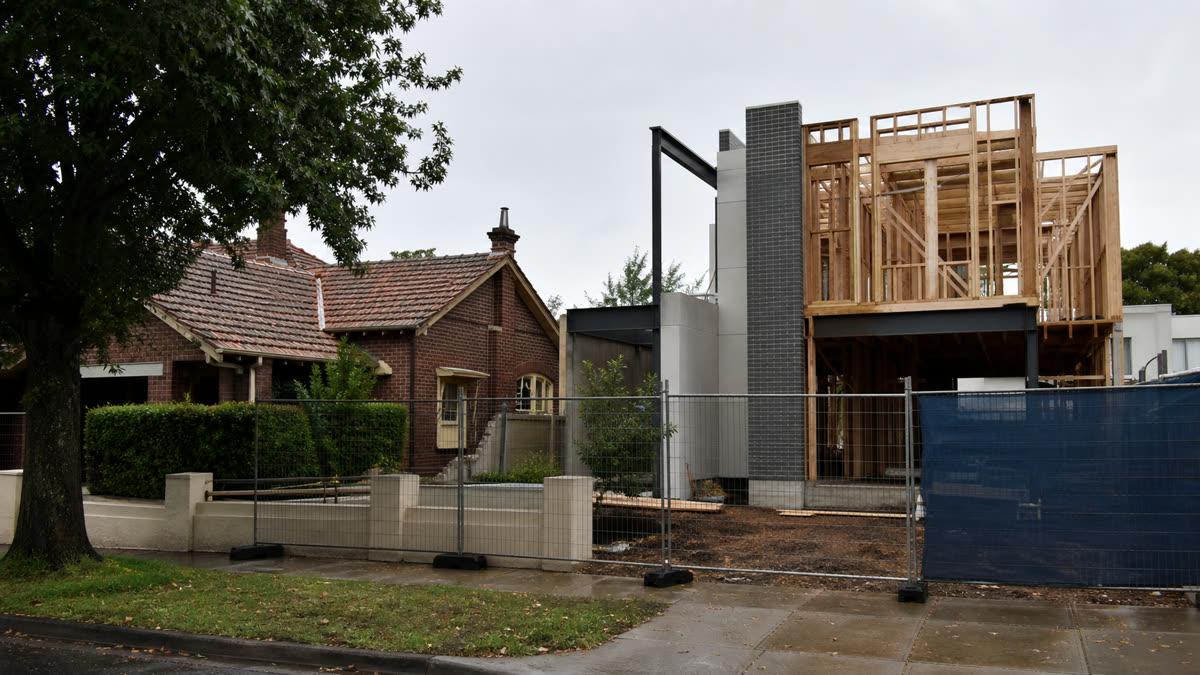
 Photo: SiteLogic editorial image
Planning Law
Amending a planning permit: section 72 and secondary consent
Once a permit is issued, changing the approved plans is not automatic. This article explains when a section 72 amendment is needed, when secondary consent can be used instead, and the traps in each path.
A planning permit is not a static document once it is issued. Design development, construction realities and market changes almost always mean the approved plans need to move before or during construction. The question a developer has to answer each time is which mechanism applies: a formal amendment application under section 72 of the Planning and Environment Act 1987, or the lighter-touch secondary consent process built into the permit conditions themselves. Choosing the wrong one, or assuming a change is minor when it is not, is one of the more common ways a project loses time it did not budget for.
The provision
Section 72 of the Planning and Environment Act 1987 sets out the process for applying to amend a planning permit after it has been issued. It treats an amendment application broadly like a fresh application for permission, in the sense that the responsible authority must consider it against the planning scheme, can require notice to affected parties where the amendment is not clearly minor, and can refuse the amendment or grant it subject to conditions.
Separately, many permits contain a condition allowing the responsible authority to consent to specified minor changes to the endorsed plans without a full amendment application. This is usually called secondary consent, and it is a creature of the specific condition in the specific permit, not a general right that exists independently of what the permit itself says. Because the exact scope of a secondary consent condition varies permit to permit, the current wording of the amendment provisions in the Planning and Environment Act 1987 and the actual secondary consent condition in the specific permit should be checked directly, rather than assumed from a previous permit.
What applies
The practical distinction between the two paths turns on the nature of the change, not its size in isolation.
A section 72 amendment application is the formal path. It is used where the change is significant enough that it needs to be assessed against the planning scheme in something like the way the original application was, including, where the responsible authority considers it appropriate, giving notice to owners and occupiers of adjoining land or to original objectors. The responsible authority can refuse an amendment application, impose new or amended conditions, or grant it as sought. An amendment application that is refused, or that comes back with conditions the applicant does not accept, can itself be the subject of a review.
Secondary consent operates differently. It relies on a specific condition in the permit that lets the responsible authority sign off on a defined category of minor change to the endorsed plans, without running a fresh assessment or triggering notice. Because this consent draws its authority entirely from the wording of the condition, the same change that qualifies as a minor plan change under a generously worded condition in one permit might not qualify under a narrower condition in another. Council officers, not the applicant, generally make the call on whether a proposed change is capable of secondary consent, and a change that is not genuinely minor is not one an applicant can push through this door just because it would be convenient.
Who decides, and on what test, ultimately comes back to the specific words of the permit and the specific words of section 72, so this is another area where the primary documents, not a general summary, should govern the decision on which path to use.
How to model it
For feasibility purposes, treat the amendment pathway as a programming and cost risk that should be scoped at the point design development starts, not discovered when a builder asks for a variation.
Build a simple test into the design change process: is the proposed change to something the permit's plans actually control, such as built form, setbacks, unit mix, car parking layout, or landscaping, and if so, does it look like the kind of change the specific secondary consent condition in this permit was written to cover. Where the answer is unclear, budget for the longer and more uncertain section 72 path rather than assuming secondary consent will be available, because a rejected secondary consent request that then has to be resubmitted as a formal amendment application costs more time than starting with the formal path in the first place.
Where a change affects unit yield, the number of dwellings, height, or anything likely to be seen as materially different from what was notified or assessed originally, plan for a section 72 application with the possibility of notice and third-party input, and sequence construction milestones so the project is not exposed if that process takes longer than the informal alternative would have.
What to check before exchange
Where a site is being acquired on the strength of an existing permit, read the actual wording of any secondary consent condition rather than relying on a summary from the vendor or agent. Confirm what categories of change it actually covers, and whether the plans that will actually be built, as distinct from the plans that were approved, fit within that scope.
Check whether the permit's conditions were the subject of any notice or objector involvement at the original application stage, since that history can affect whether a future amendment is treated as needing fresh notice. Confirm the current design has been tested against the endorsed plans in detail, rather than only against the general permit description, since even a modest shift in setbacks or built form can take a change outside what a secondary consent condition allows.
Where the acquisition price assumes a change that has not yet been through either process, treat that change as unconfirmed until it has actually been through the relevant path, and price the holding cost of that step into the numbers rather than assuming it will be quick because it looks minor on the drawings.
Interaction with other approvals
An amendment to a planning permit does not automatically flow through to other approvals a project may depend on, such as a building permit or conditions imposed by a referral authority. Each of those instruments may need its own update once a section 72 amendment or a secondary consent is granted, and the sequencing between them can affect when construction can lawfully proceed on the amended basis. Track amendments as a single change log across all approvals that reference the endorsed plans, rather than treating the planning permit amendment as the only document that needs to be current.
Practical steps
Start any amendment conversation with the responsible authority early and in writing, setting out clearly which permit condition is relied on if secondary consent is being sought, or that a formal section 72 application is being lodged if not. Keep every version of the endorsed plans, and every consent or amendment document, in a single register so it is always clear which plans are actually the current approved basis for construction. Where there is genuine doubt about which path applies, get advice before lodging, since a misclassified application can cost more time to correct than it would have taken to get right at the outset.
Published by the SiteLogic Editorial desk. Every fact traces to a primary source. See our standards and corrections register.
Fact-checked: 19 July 2026 · Review by: 19 July 2027
Sources: legislation.vic.gov.au · legislation.vic.gov.au
Was this useful? Try the tool this post is based on:
Pro on SiteLogic. Logi: up to 60 messages a day. Logi also stops at US$15 of model cost in a Melbourne calendar month. The Developer Comms Kit and unlimited saved projects. The Strategy Lab simulator runs without Pro. Saving a scenario needs a signed-in account. $60/month or $600/year, ex GST. First 3 months are $30/month, ex GST, on monthly Pro.